"Reclaim gives my team the ability to structure their day in an automated fashion. Now, they can put tasks into Reclaim and it handles the scheduling, taking care of deadlines and remaining work hours. It takes the work out of organizing the day, which helps those brilliant minds to focus on the right task at the right time."
Meeting Agenda policies are designed to work within how teams already plan meetings—not replace their existing workflows. Meetings that already include clear intent and context continue as usual, using the tools and formats teams prefer.
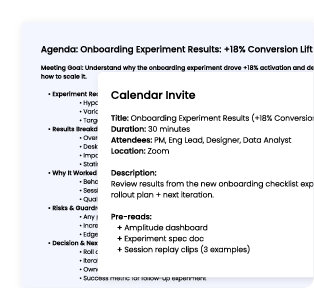
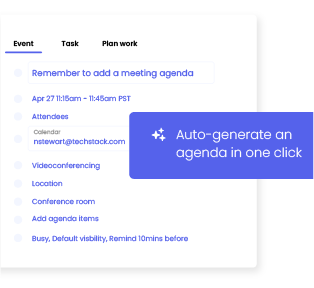
Reclaim simply introduces structured safeguards around meetings that lack clarity. Organizers may receive proactive reminders to add context, and scheduling adjustments happen automatically when standards aren’t met. This ensures meeting quality improves without requiring teams to overhaul how they prepare, collaborate, or manage their calendars.
Over time, the result isn’t more process—it’s healthier meeting habits built directly into the scheduling system, with less manual oversight required from managers.
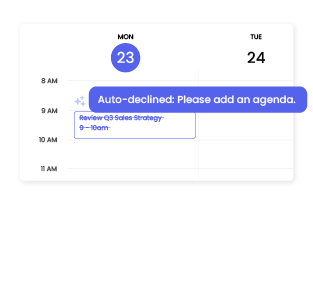
Reclaim responds based on the standards you define. Organizers can receive proactive reminders to add context before the meeting occurs, or Reclaim can automatically shorten, reschedule, or deprioritize meetings that lack clear purpose.
If standards still aren’t met, Reclaim protects existing Focus Time and may suggest async alternatives. The goal isn’t to block collaboration—it’s to ensure meetings earn their place on the calendar and support meaningful work.
No. Meetings aren’t blocked by default. Reclaim introduces structured safeguards around meetings that don’t meet agreed standards, while allowing well-prepared meetings to proceed normally.
Leaders control how strict the policy is—from gentle nudges to automated scheduling adjustments. This ensures collaboration continues smoothly, with clearer expectations built into your calendar environment.
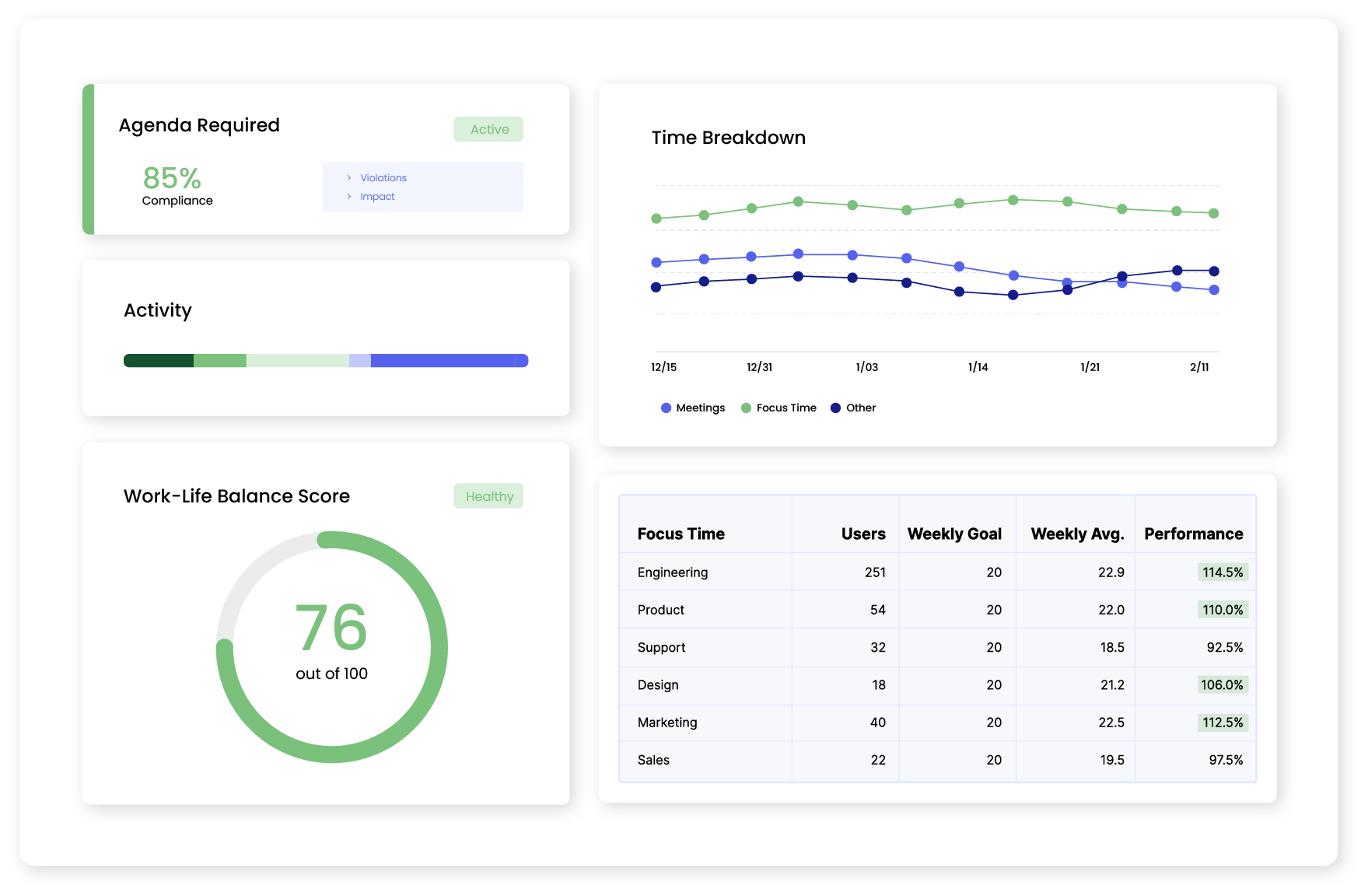
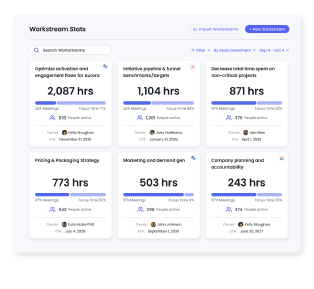
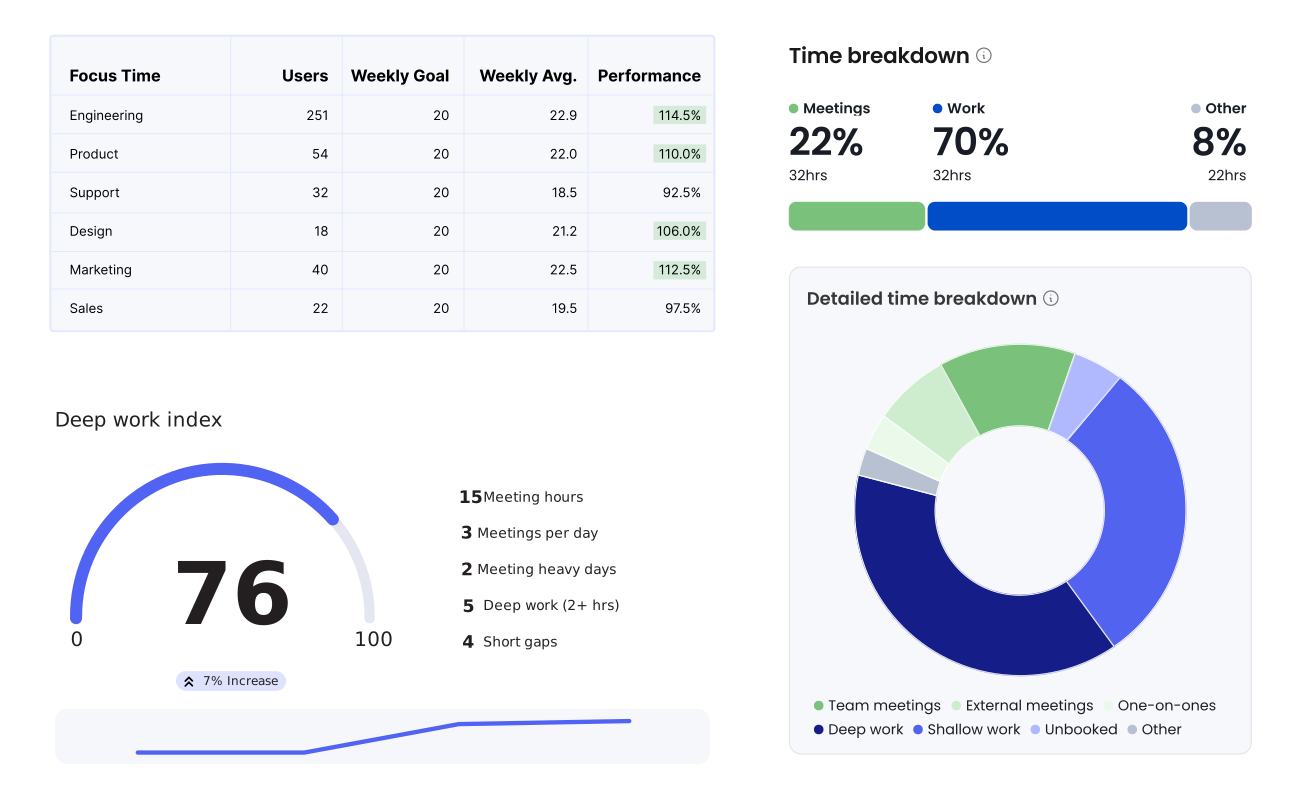
Reclaim provides analytics that show how often meetings meet agenda standards and how those standards influence calendar health over time. Leaders can see trends in meeting length, preserved Focus Time, and reductions in low-intent meetings across teams and roles.
These insights make it possible to measure progress against goals, identify friction points, and continuously refine your meeting standards. The data focuses on system health and time allocation—not monitoring individuals—so improvement remains structural and scalable.
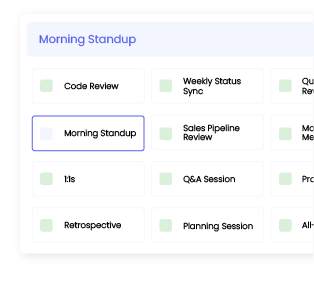
Reclaim provides benchmark data across roles and teams, helping leaders set realistic and healthy meeting standards based on how different groups actually work. Rather than applying a single rule across the organization, standards can reflect the needs of executives, managers, sales teams, or product teams.
Policies are mapped using advanced team and role filters—including SCIM-managed attributes such as department, team, role, or level—so differentiated agenda standards can be applied without managing individuals manually.
As employees join, change roles, or move teams, the appropriate policy is automatically applied based on directory attributes—ensuring flexibility where needed, consistency where required, and no ongoing administrative overhead as your organization evolves.
We work closely with your team to define clear meeting standards, align them to your broader meeting culture goals, and introduce the policy in a structured, intentional way. Rollout begins at the organization or team level—without requiring employees to change how they schedule meetings overnight.
Reclaim operates within existing calendar workflows, allowing meetings with clear agendas to proceed as usual while gradually introducing safeguards where needed. This ensures adoption feels supportive and aligned with how teams already work—not disruptive.
Yes. Many organizations start with a small pilot of 20-100 employees to gather baseline metrics, refine their meeting standards, and evaluate impact before expanding further.
Reclaim supports team-level policy deployment, allowing you to test and measure results independently before scaling across the organization. From there, expansion happens without reconfiguring individual calendars—making rollout deliberate, measurable, and low risk.
Ready to explore your own Meeting Agenda Initiative?