Launch a Buffer Time Initiative to reduce burnout by 56%
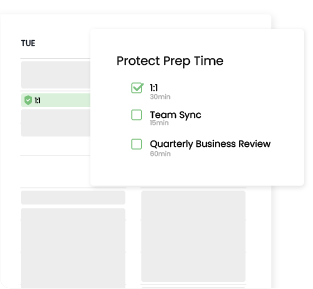
Activate a Buffer Time Initiative that automatically schedules meeting prep and wellness breaks—so teams show up prepared and sustain consistent performance.
"Reclaim gives my team the ability to structure their day in an automated fashion. Now, they can put tasks into Reclaim and it handles the scheduling, taking care of deadlines and remaining work hours. It takes the work out of organizing the day, which helps those brilliant minds to focus on the right task at the right time."
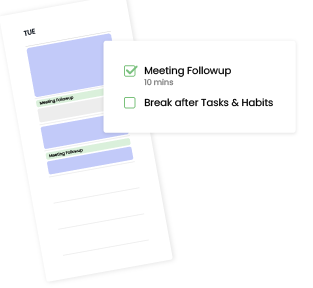
Buffer Time Initiatives improve productivity by protecting intentional work time between meetings—giving employees space to prepare, transition, and follow through effectively.
When calendars are filled with back-to-back meetings, preparation quality drops and execution time erodes. By dynamically spacing meetings within working hours, the initiative reduces cognitive overload and preserves focused capacity for meaningful work.
The impact is measurable:
Higher-quality meetings
Stronger post-meeting execution
Fewer delays and less end-of-day spillover
Well-being improves as a structural outcome. By preventing sustained overload, buffer protection supports sustainable energy and reduces burnout risk. The result isn’t fewer hours worked—it’s higher-quality, more intentional hours.
Buffer protection is observable and measurable at the system level.
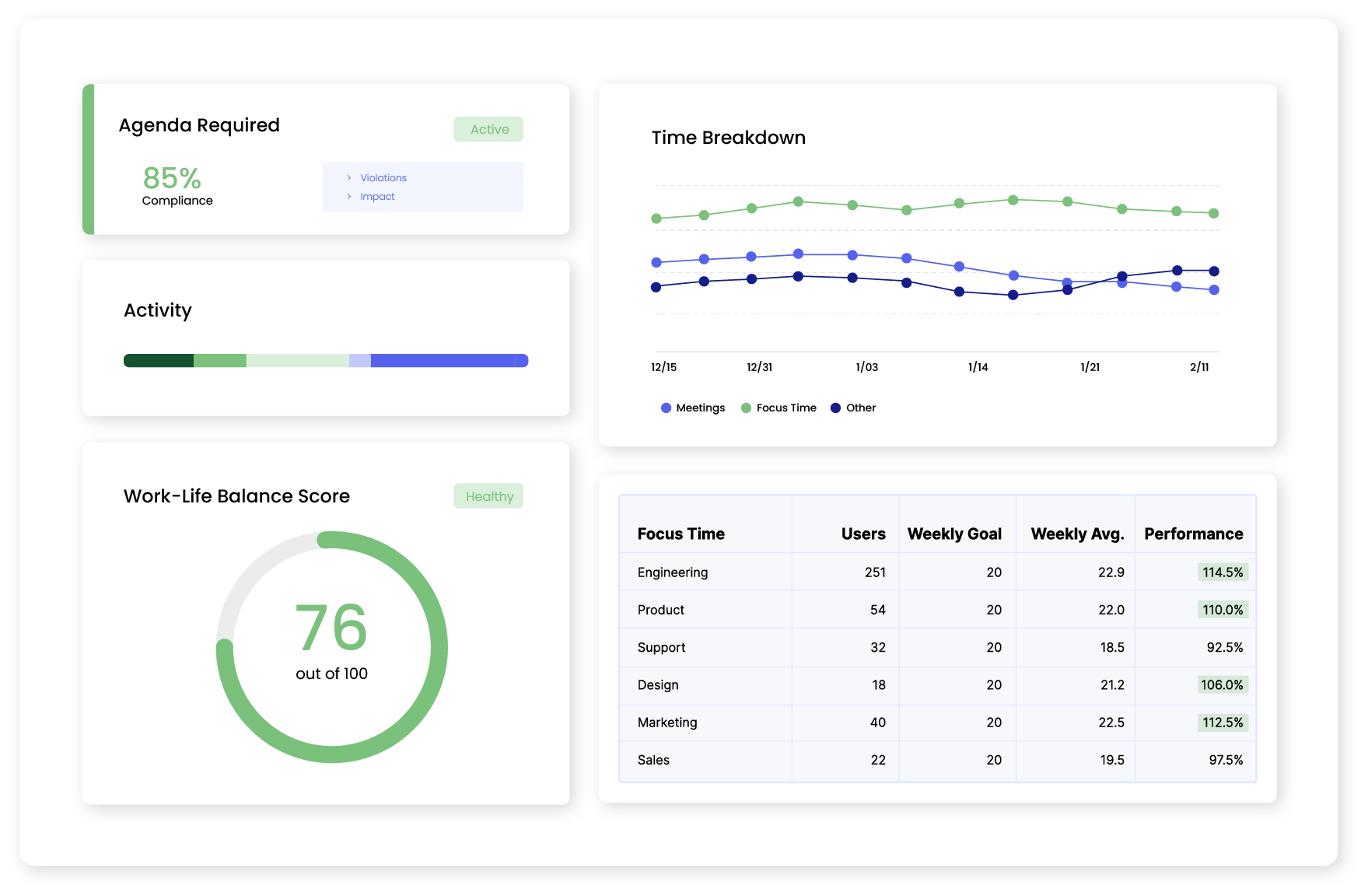
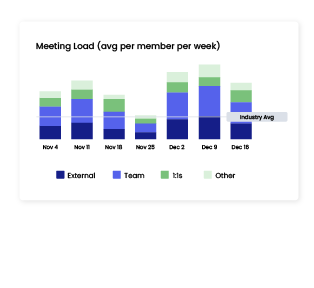
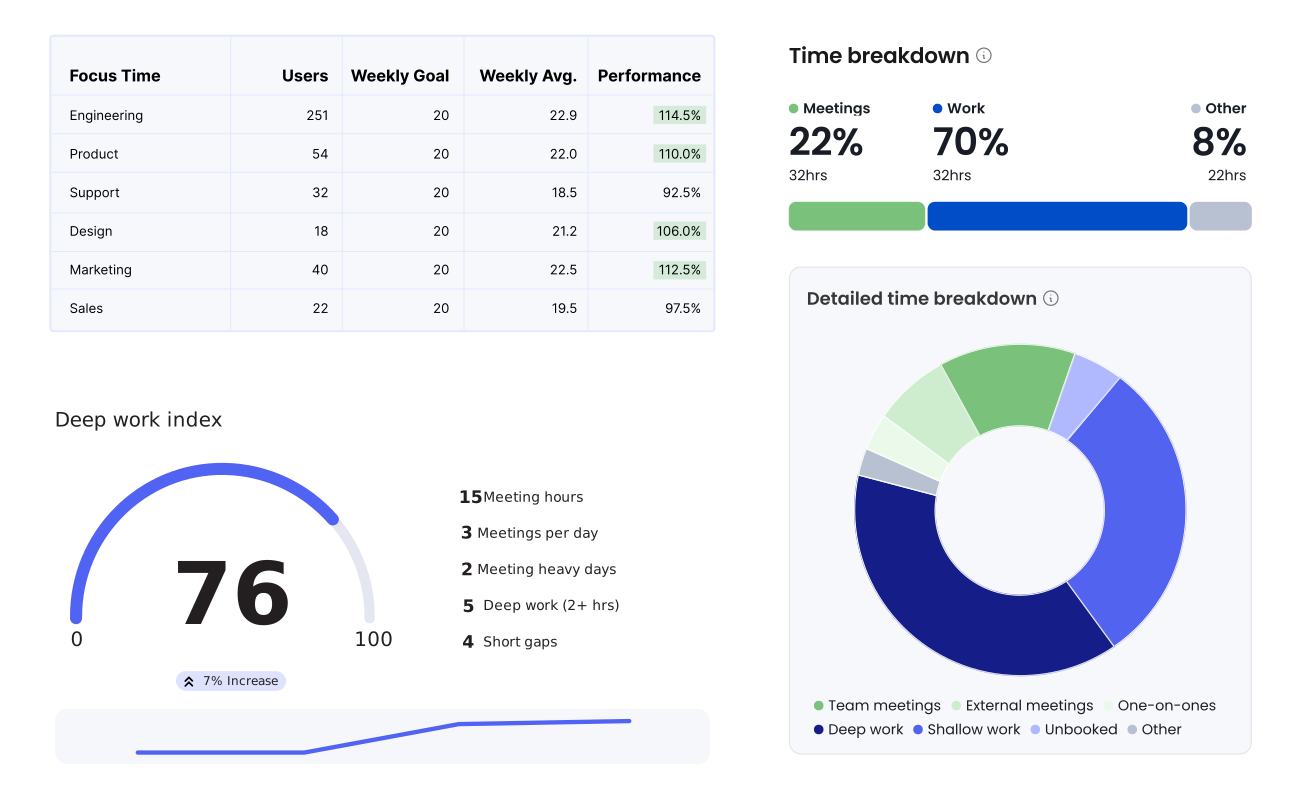
Leaders can view trends in buffer coverage, preservation rates, and override patterns across teams over time—without monitoring individual behavior. This provides operational insight into whether employees have adequate preparation and transition time built into their schedules.
If buffer protection is consistently overridden in certain functions or time windows, that becomes an actionable signal. Protecting intentional work time becomes part of operational health—not just a cultural aspiration.
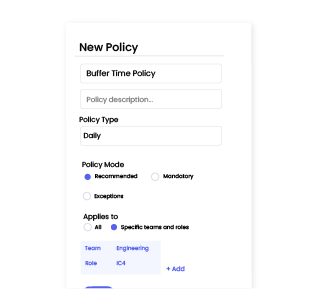
Buffer standards are policy-driven and mapped to directory attributes (team, role, level)—not configured calendar by calendar.
This allows the organization to reflect how work actually happens:
Customer-facing teams may use shorter, structured buffers between calls
Engineering teams may require longer preparation or context-reset time around deep work and design reviews
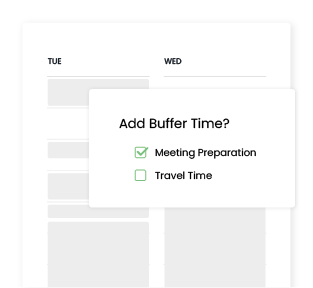
Executives may automatically apply preparation and travel buffers
Policies can vary by function without creating administrative overhead. The system enforces consistency at scale while allowing contextual flexibility.
Buffers align to each individual’s working hours and time zone. As meetings span regions, spacing automatically adjusts to prevent compressed schedules, early-morning stacking, or late-evening overload.
This ensures global collaboration doesn’t quietly erode preparation time in certain geographies. Protection remains equitable across time zones—even as coordination complexity increases.
Buffer policies are directory-driven and enforced through SCIM and identity provider sync—so protections follow the role, not the individual calendar.
When someone joins, changes teams, is promoted, or leaves the organization, their buffer standards update automatically based on attributes like department, function, or level. There’s no manual calendar reconfiguration and no reliance on managers to enforce consistency.
Because policies are tied to your identity system—not personal settings—Buffer Time Initiatives scale cleanly with hiring, reorganizations, and global expansion. Preparation and recovery standards evolve with your org structure, without adding administrative overhead.
Most organizations begin with a focused pilot of 20–100 employees to observe buffer coverage under real meeting load and establish baseline preservation metrics before expanding.
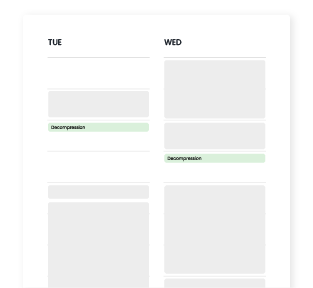
Reclaim partners with you to define buffer standards (preparation time, transition spacing, decompression intervals), configure policies by role or team, and monitor preservation and override patterns. Once validated, the same framework scales predictably across departments and regions using tested standards.
Book a demo to explore pilot options for your organization.