







Reclaim.ai vs. SkedPal
Try Reclaim.ai — the #1 AI calendar app alternative to SkedPal. Get 20% off when you switch.
Sign up with Google Calendar

* Free forever: no credit card required.


Try Reclaim.ai — the #1 AI calendar app alternative to SkedPal. Get 20% off when you switch.
Sign up with Google Calendar* Free forever: no credit card required.


SkedPal is primarily task-first. It starts with your to-do list and uses priorities, time maps, and constraints to fit tasks into available calendar space. While effective for task planning, meetings largely remain fixed inputs that shape the rest of the schedule.
Reclaim takes a calendar-centric approach to time optimization. Meetings, Focus Time, tasks, habits, and breaks are managed together in real calendar time and continuously rebalanced as plans change. Employees can ask AI what deserves attention next, while scheduling automation ensures important work receives dedicated time as priorities, deadlines, and availability evolve.
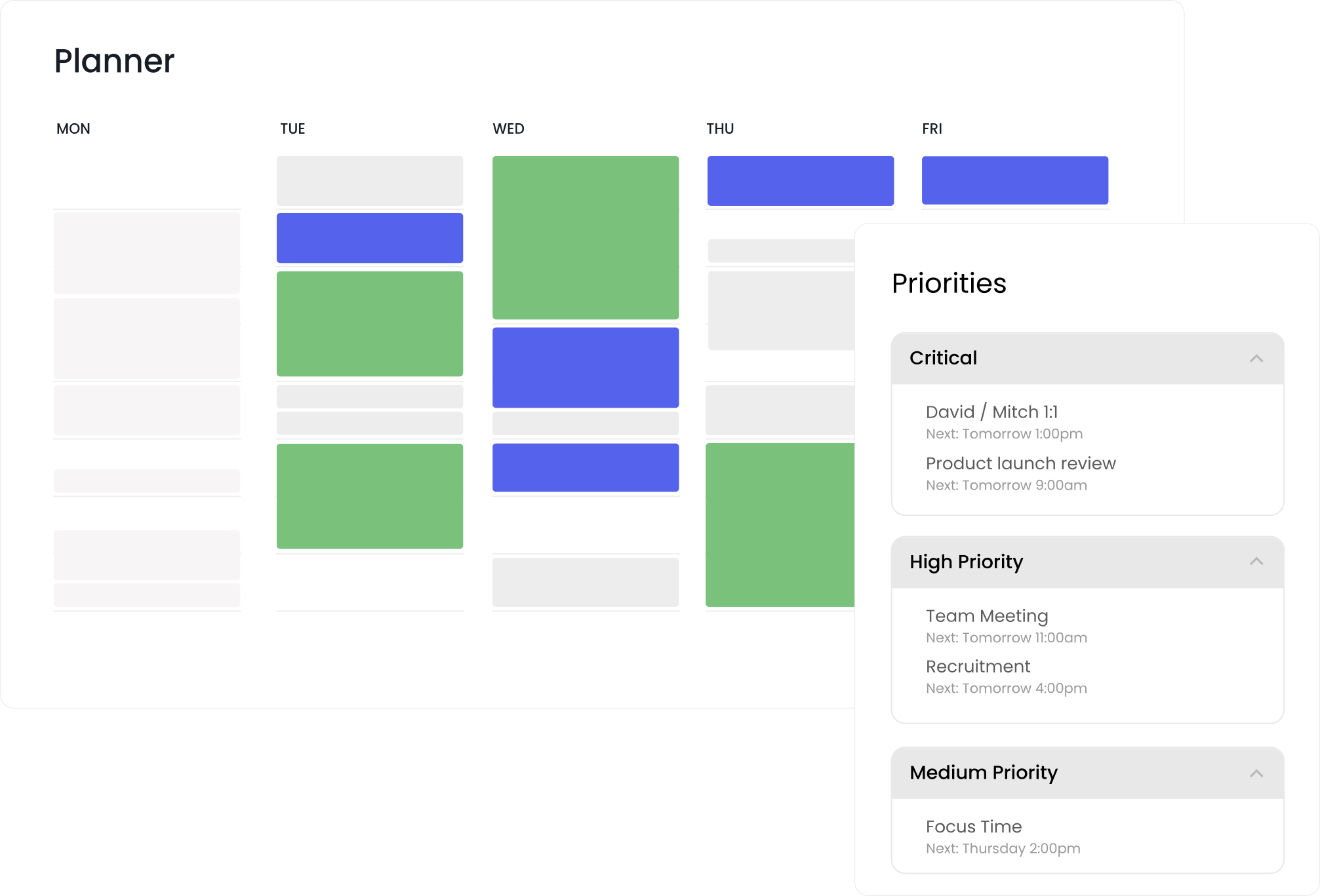
SkedPal helps users create realistic schedules and can reschedule tasks when plans change, but it relies heavily on predefined rules and user oversight. As schedules become more complex, users are still responsible for noticing problems and deciding how to resolve them.
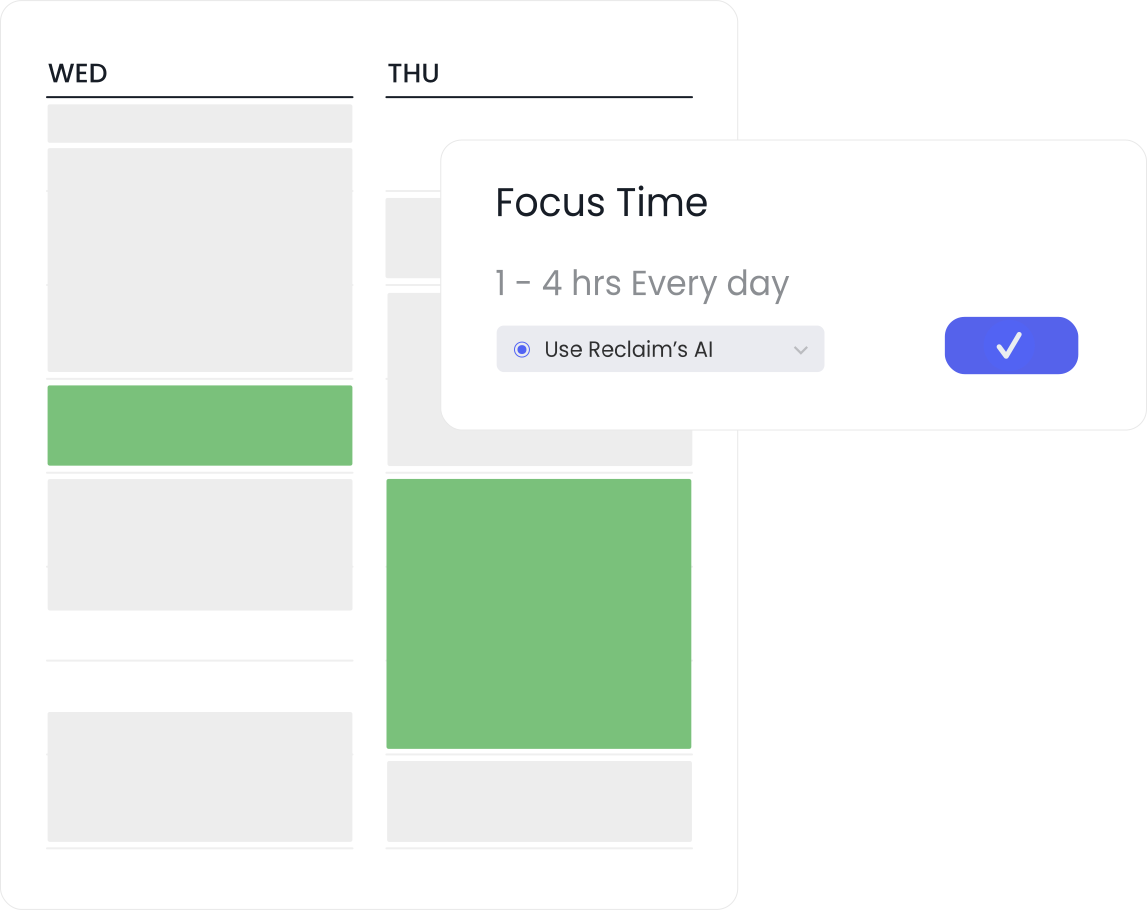
Reclaim continuously adapts schedules as priorities, meetings, and availability change. AI agents automatically protect Focus Time, rebalance work, resolve conflicts, and adjust schedules to preserve productive capacity. Employees can also guide those decisions through AI-powered recommendations, creating a system that stays aligned without constant manual intervention.

SkedPal is optimized for individual productivity and personal planning. Its effectiveness depends largely on how well each user configures rules, priorities, and scheduling preferences.
Reclaim is built to support everyone from individuals to entire organizations. Individuals benefit from AI-powered scheduling that continuously adapts as priorities change, while teams and organizations extend that same optimization through shared Focus Time goals, meeting limits, no-meeting days, protected breaks, and scheduling policies. Combined with workforce analytics and organizational controls, improvements can be applied consistently across teams instead of relying on individual discipline alone.