






ClickUp vs. Reclaim.ai
Reclaim.ai — a powerful AI calendar for scheduling and planning, plus seamless ClickUp integration. Get 20% off when you switch.
Sign up with Google Calendar

* Free forever: no credit card required.


Reclaim.ai — a powerful AI calendar for scheduling and planning, plus seamless ClickUp integration. Get 20% off when you switch.
Sign up with Google Calendar* Free forever: no credit card required.


ClickUp helps teams plan, organize, and prioritize work. But once priorities are established, employees still need to decide when work should happen and manually fit it around meetings, interruptions, and competing commitments.
Reclaim turns project plans into protected time on the calendar. ClickUp tasks are automatically scheduled around real availability, while AI continuously adapts as schedules change. Employees can better understand what deserves attention next and ensure important work receives dedicated time without sacrificing Focus Time or constantly reorganizing their calendars.
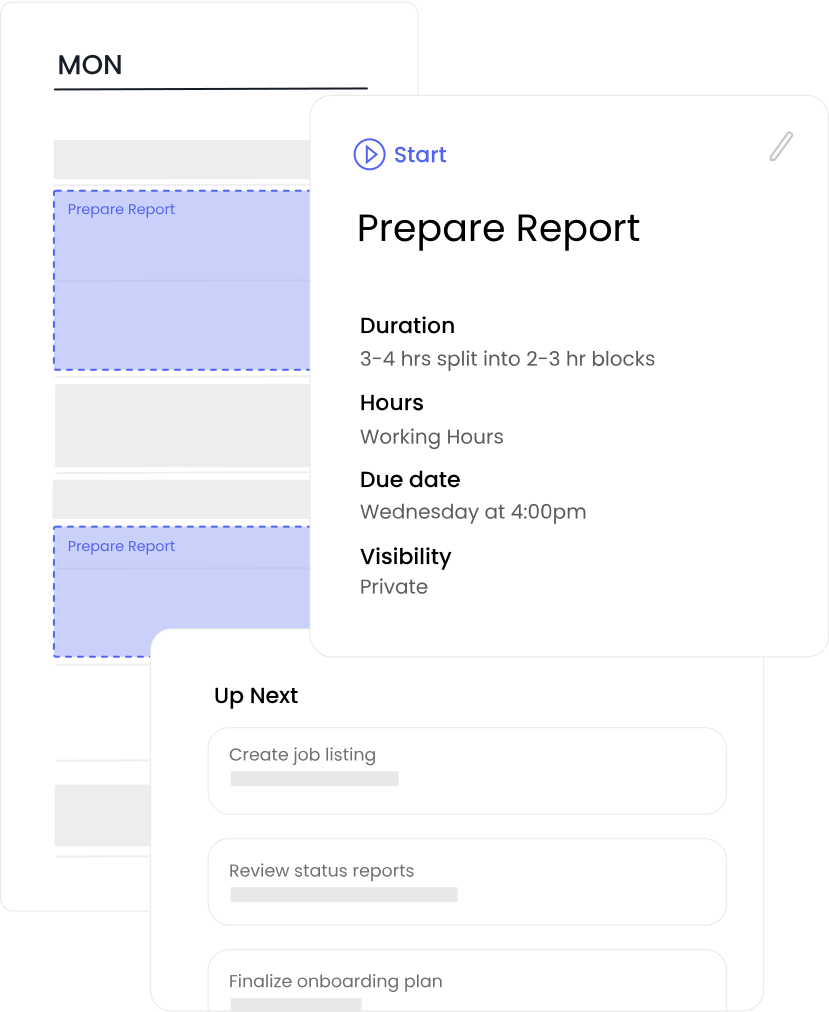
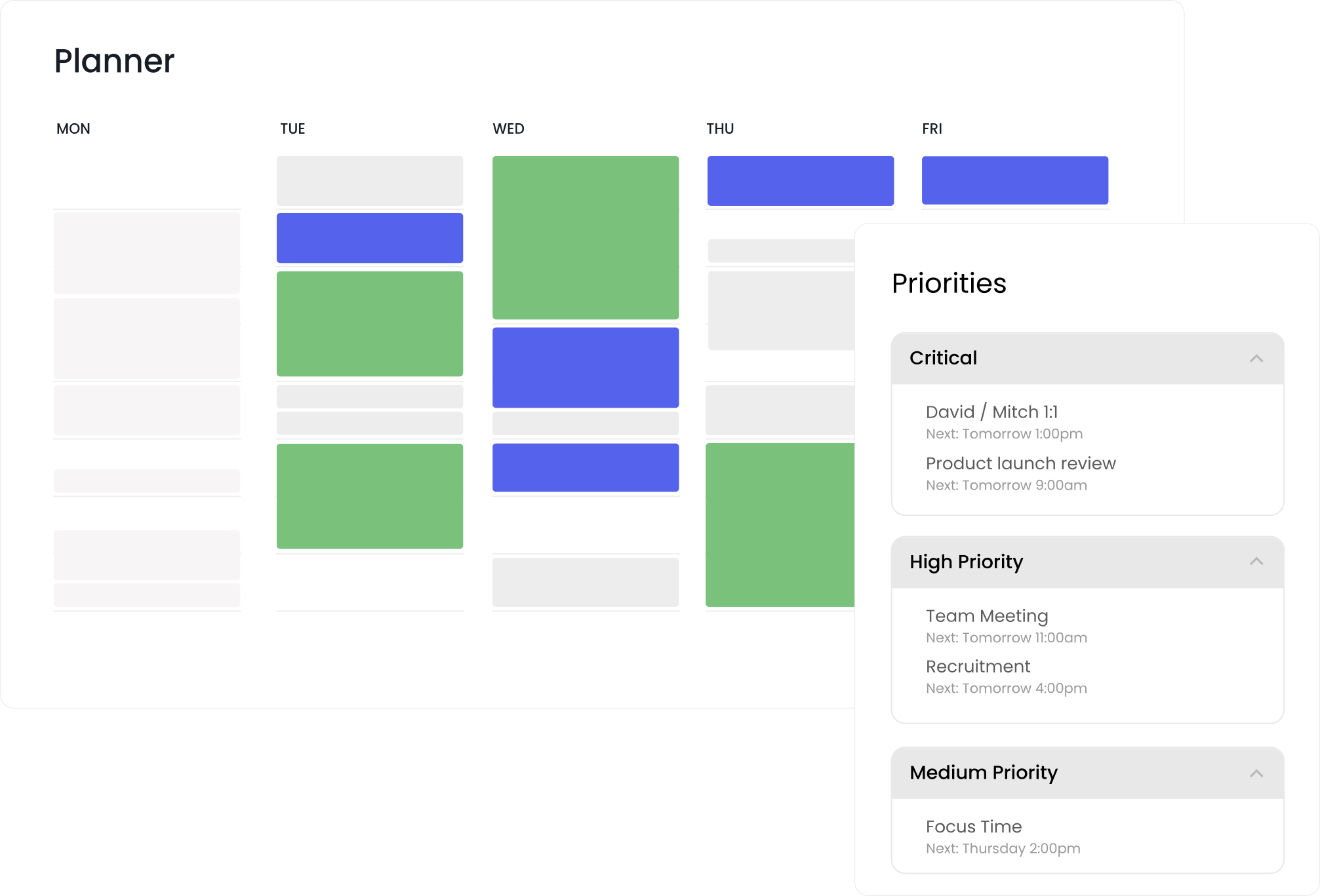
ClickUp works for tracking what needs to be done, but scheduling that work is still largely left to the employee. As meetings move and priorities change, keeping work aligned with available time often requires constant manual adjustments.
Reclaim automatically schedules tasks on the calendar based on priority, deadlines, and availability, then continuously adapts as schedules evolve. Through a conversational AI experience, employees can understand what work deserves attention next and use AI-powered scheduling to automatically protect time for it. Work stays scheduled, calendars stay realistic, and Focus Time stays protected without manual time blocking.

ClickUp provides visibility into projects and task progress, but offers limited insight into how time is actually being spent across calendars. Understanding meeting overload, fragmented schedules, and lost Focus Time often requires additional tools and manual analysis.
Reclaim connects personal time tracking and workforce analytics directly to action. Employees can understand where time is being lost, receive AI-powered recommendations on improving focus and workload balance, and automatically protect time for important work. Leaders gain visibility into meeting load, focus capacity, schedule fragmentation, and workload distribution, helping improve productivity across teams without relying on guesswork.